
- Presbyopia (trouble reading up close) and reduced tear production are normal aging changes.
- Cataracts cause persistent blurred vision, glare around lights, dull colors, and frequent prescription changes.
- Unlike aging, cataracts worsen over time and interfere with driving, reading, and recognizing faces.
- Cataract surgery replaces the cloudy lens with a clear intraocular lens (IOL) – a safe, 15‑minute procedure.
- Modern IOL options include monofocal, toric (astigmatism), EDOF, and multifocal lenses.
- Desert Vision Center uses LenSx laser and ORA System for precision and better outcomes.
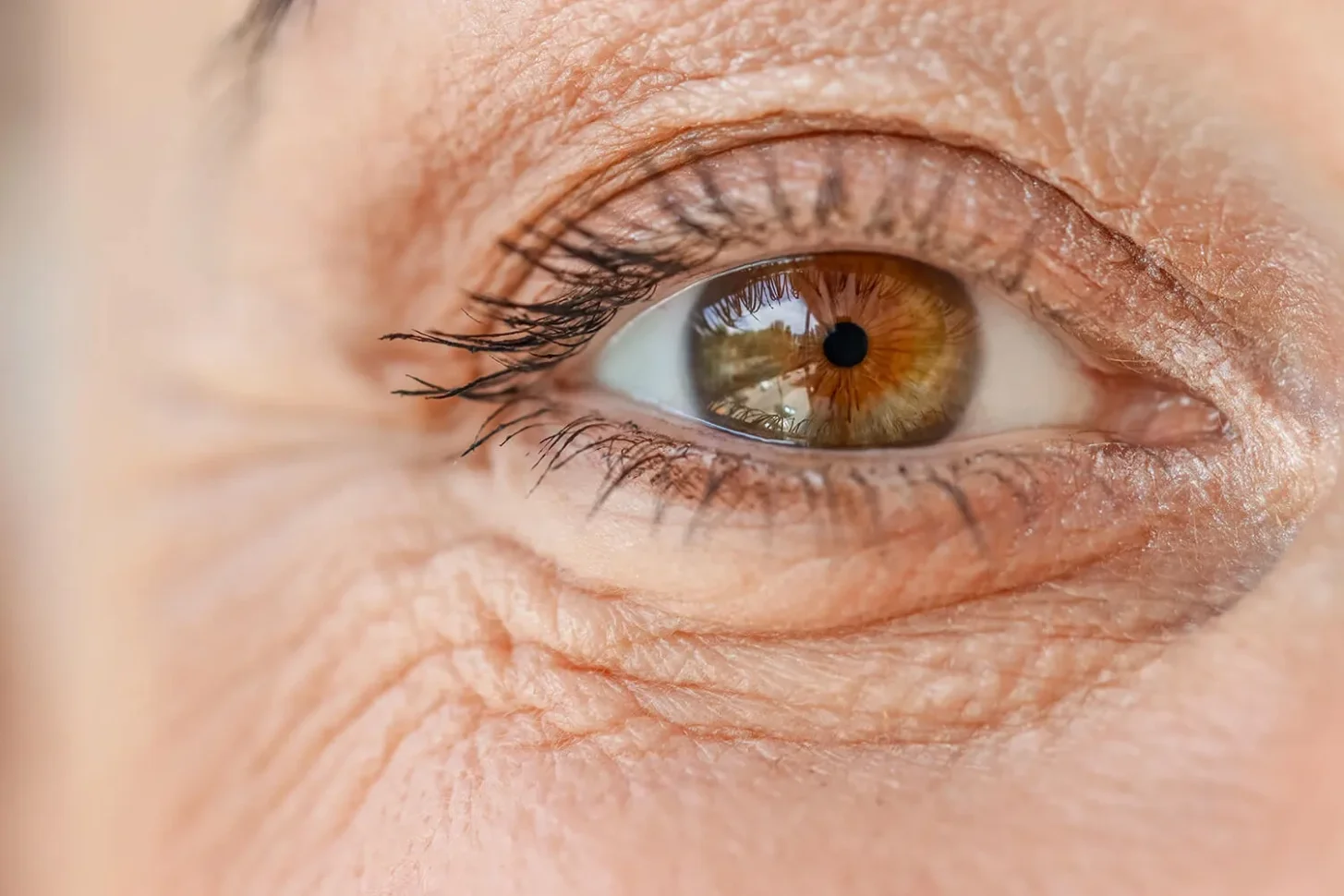
Getting older brings plenty of changes, including changes in how we see. But while some vision shifts are a normal part of aging, others may be signs of cataracts, a progressive condition that can significantly impact clarity, comfort, and independence. Understanding the difference is key to protecting your eyesight and knowing when it’s time to see a cataract specialist.
If you’ve noticed blurred vision, difficulty reading, glare while driving at night, or the feeling that your prescription “just isn’t working anymore,” you’re not alone. Millions of adults over 50 face the same question every year: Is this normal aging or is it something more?
This guide will help you recognize the difference between natural age-related changes and cataracts, understand when symptoms become concerning, and know what to do next.
How Vision Normally Changes With Age
As we get older, the eyes naturally undergo structural and functional changes. These changes are expected and usually manageable. Importantly, they don’t cause the persistent cloudy vision that cataracts do.
Presbyopia: Trouble Reading Up Close
Presbyopia happens to everyone eventually, typically beginning around age 40. The lens inside the eye becomes less flexible, making it harder to focus on close tasks like reading, texting, or sewing. This is why reading glasses become a necessity for many people.
Reduced Tear Production
Tear glands produce fewer tears with age, leading to dry eye symptoms. Dry eye can create intermittent blurriness, but this blur is typically temporary and improves with blinking or lubrication. Cataract‑related blur, in contrast, is persistent and does not improve with drops.
Natural Contrast Sensitivity Changes
Colors may look slightly less vibrant over time due to normal aging changes in the lens. However, dramatic loss of color intensity or yellowing of vision is more suggestive of cataracts. Age‑related changes are generally mild and predictable. Cataracts, however, cause more significant, progressive vision decline.
What Makes Cataract Vision Different?
Cataracts occur when the eye’s natural lens becomes cloudy. Over time, this clouding blocks and scatters light, making vision blurred, foggy, or distorted.
Common Symptoms of Cataracts
If you’re experiencing any of the following, cataracts may be the cause:
- Persistent blurred or cloudy vision
- Difficulty driving at night
- Increased glare or halos around lights
- Colors appearing dull or yellow
- Needing brighter light for reading
- Frequent prescription changes with minimal improvement
- Difficulty recognizing faces
- Trouble with everyday tasks despite “normal” eye exams
These symptoms typically develop slowly, which is why many people don’t realize how bad their vision has become until it’s significantly impacted.
Different Types of Cataracts
Each type affects vision slightly differently:
- Nuclear cataracts: cause yellowing or dimming of vision; most common.
- Cortical cataracts: cause glare and starburst patterns.
- Posterior subcapsular cataracts (PSC): cause difficulty reading and night glare; may progress more quickly.
Regardless of the type, cataract surgery is the only effective way to restore clarity once symptoms interfere with daily life.
Aging Eyes vs. Cataracts: Key Differences
| Feature | Aging Eyes | Cataracts |
|---|---|---|
| Onset & progression | Gradual, stable | Progressive, worsens over time |
| Symptom pattern | Difficulty reading up close | Blurred or cloudy vision at all distances |
| Impact on daily life | Manageable with glasses | Interferes with driving, reading, screens, faces |
| Response to new glasses | Improves | Minimal or no improvement |
When Symptoms Suggest Cataracts Over Normal Aging
You may be dealing with cataracts if you notice:
- Vision worsening despite new glasses
- Night driving becoming stressful or unsafe
- Colors looking faded or yellow
- Needing more light just to read comfortably
- Vision appearing “foggy” or “smudged”
- Difficulty with contrast (e.g., dark print on light backgrounds)
Cataract symptoms often fluctuate day‑to‑day but generally trend worse over time.
How Cataracts Are Diagnosed
A thorough cataract evaluation will determine whether your symptoms are caused by cataracts or another eye condition.
Core Diagnostic Steps
- Vision testing
- Slit‑lamp examination of the lens
- Dilated retinal exam
- Measurement of lens clarity and light scatter
Advanced Imaging
At Desert Vision Center, advanced diagnostics like anterior segment OCT, corneal topography, and the ORA System help precisely evaluate the eye, especially in patients with prior LASIK or complex anatomy. These technologies ensure accuracy in diagnosis and help select the right treatment plan.
When Cataracts Require Surgery
Cataract surgery becomes appropriate when cloudy or blurry vision begins interfering with everyday tasks, such as reading, driving, computer work, or recognizing faces, and no longer improves with new glasses or brighter lighting.
Cataract Surgery Overview
Cataract surgery is one of the safest and most effective procedures in medicine. The cloudy natural lens is removed and replaced with a crystal‑clear intraocular lens (IOL). The procedure is quick, painless, and typically performed in under 15 minutes.
Lens Implant Options
Modern IOLs go far beyond simple replacement. They can be selected to match your lifestyle:
- Monofocal IOLs (single‑distance focus)
- Toric IOLs (correct astigmatism)
- EDOF lenses (extended depth‑of‑field; excellent intermediate vision)
- Multifocal lenses (reduce dependence on reading glasses)
- Accommodating lenses (lens shifts focus like a natural eye)
Choosing the right lens is a highly personalized decision based on your goals, activities, and ocular health. Learn more about advanced technology IOLs.
Laser‑Assisted Cataract Surgery
Using the LenSx Femtosecond Laser, Desert Vision Center provides increased precision for incisions, lens fragmentation, and astigmatism correction. This is especially beneficial for complex eyes.
Normal aging doesn’t steal your vision – cataracts do. If you’re struggling to see clearly at night, colors look faded, or you keep needing stronger glasses, it’s time for a cataract evaluation. Modern cataract surgery can restore vibrant, sharp vision and dramatically improve your quality of life.
When to See a Cataract Specialist
Schedule a cataract evaluation if you experience:
- Blurred or cloudy vision that disrupts daily life
- Difficulty with night driving
- Light sensitivity, glare, or halos
- Trouble reading even with good lighting
- Frequent prescription changes
- Visual distortions or double vision
- Reduced quality of life due to vision decline
Cataracts are treatable, and earlier diagnosis leads to the best visual outcomes.
Contact Desert Vision Center for a Cataract Consultation
Aging eyes and cataracts share some similarities, but the degree and impact of symptoms are not the same. Cataracts cause progressive, cloudy, disruptive vision, yet they are one of the most treatable causes of visual decline. With modern surgical techniques, advanced IOL technology, and precision diagnostics, cataract surgery can restore clarity and significantly improve quality of life.
If you’re unsure whether your symptoms are part of normal aging or something more, trust your instincts: schedule a cataract evaluation. Clearer, safer, more vibrant vision may be closer than you think.
Not sure if it’s aging or cataracts?
Let our team provide a comprehensive cataract evaluation. We’ll help you understand what’s normal, what’s not, and which lens option fits your lifestyle best.