
Intraocular Lenses (IOLs) are implants used to replace the eye’s natural lens during cataract surgery. They restore clarity and often improve vision quality, reducing or even eliminating the need for glasses. Modern options include multifocal, toric, and extended depth-of-focus lenses, which are customized to your unique vision goals and lifestyle preferences.
Intraocular Lens Implants for Cataract Surgery
- Home
-

- Cataract Treatment
-
- Intraocular Lens

Replace Your Natural Lens
How Intraocular Lenses Work
During cataract surgery, the eye’s clouded natural lens is gently removed and replaced with a clear intraocular lens (IOL). This artificial lens focuses light directly onto the retina, restoring clear vision. Modern IOLs can also correct refractive errors, reducing or eliminating the need for glasses after surgery.

Rediscover Clear Vision
Regain the clarity you once had with intraocular lenses that replace cloudy cataracts. Restore sharp, vibrant vision for everyday life.
Match Your Lifestyle
Types of Intraocular Lenses
When it comes to cataract surgery, patients today have more choices than ever. Intraocular lenses (IOLs) can be tailored to your vision goals, whether that’s seeing at greater distances, reducing dependence on glasses, or reducing astigmatism. Choosing the right lens depends on your lifestyle, visual needs, and eye health.

Standard Monofocal IOLs
Monofocal lenses are the traditional option for cataract surgery. They provide clear vision at a single distance, typically optimized for either near or far. Most patients choose distance correction and use reading glasses as needed. Monofocal IOLs are reliable, high-quality, and covered by insurance, offering excellent clarity for everyday vision.

Multifocal and Extended Depth of Focus (EDOF) IOLs
These advanced lenses provide a greater range of vision—from near to far—by distributing light at multiple focal points. Multifocal and EDOF IOLs reduce dependence on reading glasses and are ideal for active lifestyles. They use sophisticated optics to deliver at varying distances.

Toric IOLs for Astigmatism
Toric IOLs are designed specifically for patients with astigmatism, correcting irregular curvature of the cornea that causes blurred vision. By addressing astigmatism at the time of cataract surgery, these lenses improve sharpness and reduce the need for glasses. Toric IOLs provide precise visual correction and lasting clarity tailored to your unique anatomy.

Frequently Asked Questions:
IOLs for Cataract Surgery

An intraocular lens is a clear, artificial lens implanted in your eye during cataract surgery to replace the cloudy natural lens. Modern IOLs not only restore vision but can also correct issues like nearsightedness, farsightedness, and astigmatism.

The best lens depends on your vision goals, lifestyle, and eye health. During your consultation, your surgeon, Dr. Tokuhara, will discuss whether a monofocal, multifocal, extended depth of focus (EDOF), or toric IOL is most suitable for your needs.
It depends on the type of lens you select. Standard monofocal IOLs usually require reading glasses, while advanced IOLs like multifocal or EDOF lenses can greatly reduce or even eliminate your dependence on glasses.
Insurance and Medicare typically cover the cost of standard monofocal lenses. Advanced lenses that correct presbyopia or astigmatism are considered elective upgrades and may involve additional out-of-pocket costs.
Yes. Toric intraocular lenses are specifically designed to reduce astigmatism during cataract surgery, allowing you to achieve clearer vision.

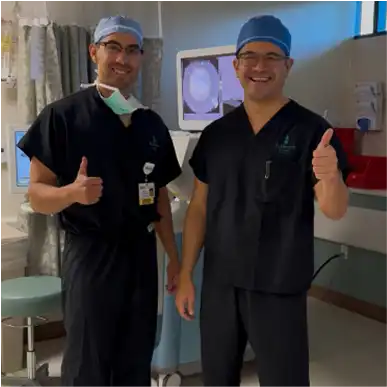

Attention Patients
Dear Valued Patients of Desert Vision Center,
Dr. Tokuhara is a highly skilled cataract surgeon, specializing in advanced anterior segment surgeries, including complex glaucoma and cataract procedures. He focuses on patients who need surgical intervention or are at risk of severe vision loss.
While Dr. Tokuhara offers comprehensive eye care for his own surgical patients, he does not provide general eye care or post-operative care for patients of other surgeons. When you choose Dr. Tokuhara, he becomes your trusted eye doctor for life.
A Note About Ethical Care
In our community, some providers engage in illegal financial kickbacks, accepting payments for cataract surgery referrals. Desert Vision Center firmly rejects this unethical practice. We follow the highest ethical standards, complying with the Anti-Kickback Statute and Stark Law, ensuring that your care is never influenced by financial incentives.
We believe referrals should always be based on what’s best for the patient not financial gain. If you’re being evaluated for cataract surgery, we encourage you to ask questions and be mindful of these referral arrangements.
Choose the surgeon who prioritizes your vision and your well-being not one chosen for someone else’s profit.
Sincerely,
Desert Vision Center