
- Cataracts occur when the natural lens of the eye becomes cloudy, usually due to aging.
- Early signs include yellowing of colors, blurry or double vision, and increased glare from headlights.
- You may need brighter lighting or frequent changes to your glasses prescription.
- Left untreated, cataracts can lead to severe vision loss and blindness.
- Regular eye exams can detect cataracts before you notice symptoms.

A cataract occurs when the natural lens of the eye becomes cloudy. For most people, this happens as a result of aging. When you are young, the lens is transparent, enabling it to focus images on the retina. However, later in life, the lens begins hardening and becomes yellow, interfering with light entering it. This often starts around the age of forty. But that does not mean that younger people cannot also develop cataracts. You can develop cataracts for other reasons such as:
- Radiation exposure
- Diabetes
- Injury to the eye
- Recurring eye infections
- Systemic medications such as steroids
In the beginning, cataracts only affect a small area of the lens. You may not even realize you have cataracts at first since you may not have any noticeable changes to your vision. It can take years or even decades before cataracts become fully formed enough to start impairing vision. But with time, cataracts eventually mature, start clouding your natural lens, and severely impair your ability to see. If a cataract is left untreated and you choose not to have cataract surgery to remove it, it can lead to considerable vision loss and even complete blindness. Not sure if you may have cataracts? There are many warning signs and symptoms to watch out for. Keep reading to learn more.
Lens Discoloration Making Things Look Yellow or Brown
When you have a cataract, the lens can turn yellow or brown due to protein buildup. As a result of this, you may notice that things look more yellow or brown than they used to. Items that are white or cream-colored may appear to look muddy instead of crisp and clean. This may make it more difficult to complete everyday tasks like reading a book.
Blurry Vision

Having blurry vision is one of the most common symptoms of having cataracts. If you wear glasses, they may appear dirty. It is important not to ignore cloudy or blurry vision. Instead, visit your ophthalmologist as soon as possible, as blurry vision can sometimes be a symptom of other eye conditions. Only your eye doctor can rule these out and determine if you have a cataract.
Understanding what causes cataracts and how to protect your vision.
Double Vision
While not all cataract patients see double images in one eye, this is still a common cataract symptom. If you experience double vision with cataracts, it will usually only occur in one eye. Having double vision can be disorienting and may make it more challenging to drive, especially at night.
Increased Sensitivity to Light
Another common symptom of cataracts that you may experience is an increased sensitivity to light. If you are more sensitive to light, you may also find it harder to be around bright lights. You may also find it more difficult to go outside without wearing sunglasses. Even if you peer outside your window for a little while, you may find yourself shielding your eyes with your hands. The sensitivity only becomes worse as cataracts mature.
Seeing Halos and Glare
Glare and halos at night are possible signs of cataracts. They occur when light tries to pass through the cataract and is instead diffracted. Halos and glare are not always noticeable during the day but may be quite visible at night around light sources.
Color Changes
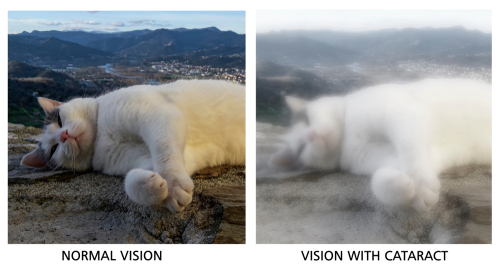
Do colors appear dull and faded? If you have developed cataracts, vivid colors may take on a brown or yellow color. You may also find it next to impossible to tell specific colors apart, such as purple and green or black and brown. This change is because of the clouding that occurs on the natural lens. If you find that people are often correcting you about specific colors, it is best to schedule an appointment with your eye doctor.
Frequently Changing Prescription Glasses or Contacts
As cataracts form, the lens increases in size, forcing you to change the strength of your glasses or contact lenses more often. If you find that you are frequently changing your glasses or contact lens prescriptions, this could mean you have cataracts.
Trouble Seeing at Night

Do you struggle to drive at night due to distorted vision that looks like flares of light coming from stoplights, reflective signs, headlights, or street lights? That could be an indication of cataracts. Also, you may realize that you cannot make out objects or pick out shapes in a dimly lit room. This can also point to vision loss caused by cataracts. Difficulty seeing at night progresses as your cataracts advance, ultimately making it much harder to see at night. If driving at night feels unsafe, find a friend or family member that can drive you.
Eye Exam
Most people do not have any signs of cataracts in the earliest stages. That is why you should schedule routine eye exams. Your eye doctor can diagnose cataracts even before you notice any issues with your vision. Knowing you have a cataract will allow your eye doctor to monitor you and develop a plan about when you should have cataract surgery.
Learn when cataract surgery is recommended based on your symptoms.
Cataract Treatment
At first, you can temporarily alleviate cataract symptoms with stronger lighting and prescription glasses or contacts. But as they progress, cataracts ultimately impair your vision and reduce your quality of life. When cataracts make it difficult to complete everyday tasks, the only treatment is to have cataract surgery. Having your cataracts removed will restore your clear vision and give you your independence back. Your surgeon will remove the natural lens during cataract surgery and replace it with an artificial lens, known as an intraocular lens (IOL). If you have cataracts in both eyes, you will likely have one cataract removed at a time. Removing them this way ensures that you will have plenty of time to recover before removing your second cataract about one to two weeks later.
For patients who want to reduce dependence on glasses after surgery, premium IOLs such as multifocal, toric, or EDOF lenses can be excellent options. Dr. Tokuhara uses advanced technologies like laser cataract surgery and the ORA System for precise results.
Do You Suspect You Have Cataracts? We Can Help
If you have experienced several of the signs above, it is time to schedule a cataract evaluation at Desert Vision Center. Dr. Tokuhara is a top-rated cataract surgeon who specializes in advanced technology and laser cataract surgery. Schedule an appointment at Desert Vision Center in Rancho Mirage, CA, today. Stop living with poor sight and get your clear vision back.
Don’t ignore the signs — see clearly again
If you’ve noticed any symptoms of cataracts, early evaluation is key. Schedule a cataract consultation with Dr. Tokuhara at Desert Vision Center in Rancho Mirage, CA, to learn about your treatment options and premium IOLs that can restore your vision.